
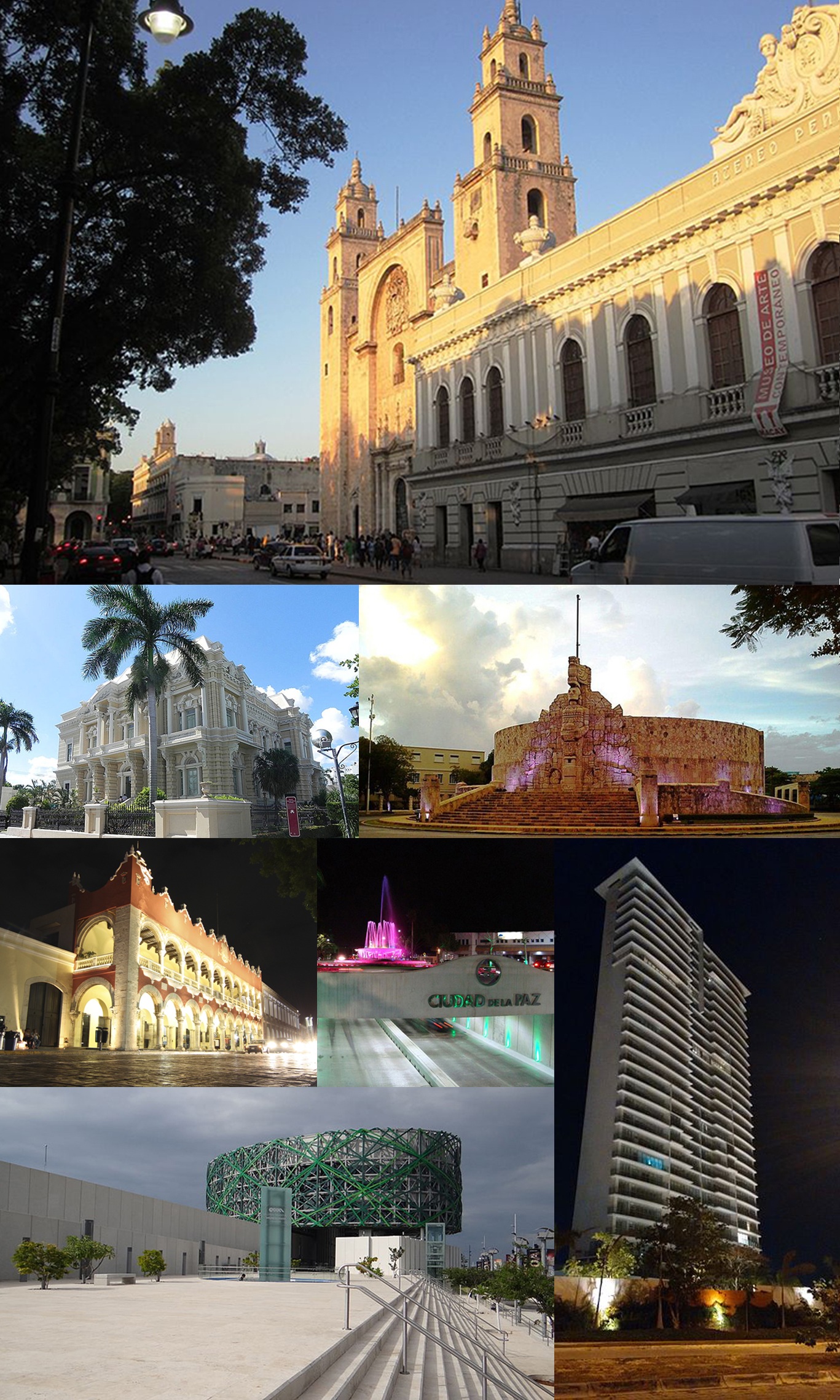
Boutique hotels remain one of the most attractive hospitality formats in Mexico because they combine destination appeal with more flexible repositioning options than large resort assets.
Why smaller hospitality assets draw serious buyers
Boutique hotels often sit in the sweet spot between operational control and investor accessibility. They can benefit from destination demand without requiring the scale, capex, or staffing structure of a full resort.
That makes them appealing for buyers who want hospitality exposure with a more manageable entry point.
What creates value in a boutique hotel deal
Location still leads the story, but design, room mix, direct-booking capability, ADR strategy, and the strength of on-site food and beverage also matter. In some markets, the hotel’s identity is the product. In others, the real upside comes from tightening revenue management and marketing systems.
Historic-center hotels in Mérida or Oaxaca, lifestyle-driven hotels in Playa del Carmen, and smaller premium assets in Puerto Vallarta all tell different value stories.
Common mistakes buyers make
Many buyers underestimate capex needs, overestimate occupancy stability, or fail to understand how dependent the property is on a founder’s personal touch. Others ignore staffing depth or digital distribution weakness.
A boutique hotel can look turnkey while still needing major operational refinement.
Why matching matters
Some buyers want yield from a stable asset. Others want a repositioning play. The same hotel can be a great fit for one and the wrong fit for another. That is why curated matching is more valuable than just listing volume.